Begin With the End In Mind
“Begin with the End in Mind” is Habit No. 2 of Stephen R. Covey’s book, The 7 Habits of Highly Effective People.

According to Covey, this habit starts with having a good mental picture first and, when appropriate, having a physical drawing or blueprint. For projects, it could be defined as having a solid understanding of outcomes. Once we understand the final project, we can identify the gaps and know what steps to take and who to involve to achieve success.
But what does it mean when talking about something more fluid and evolving – like leadership?
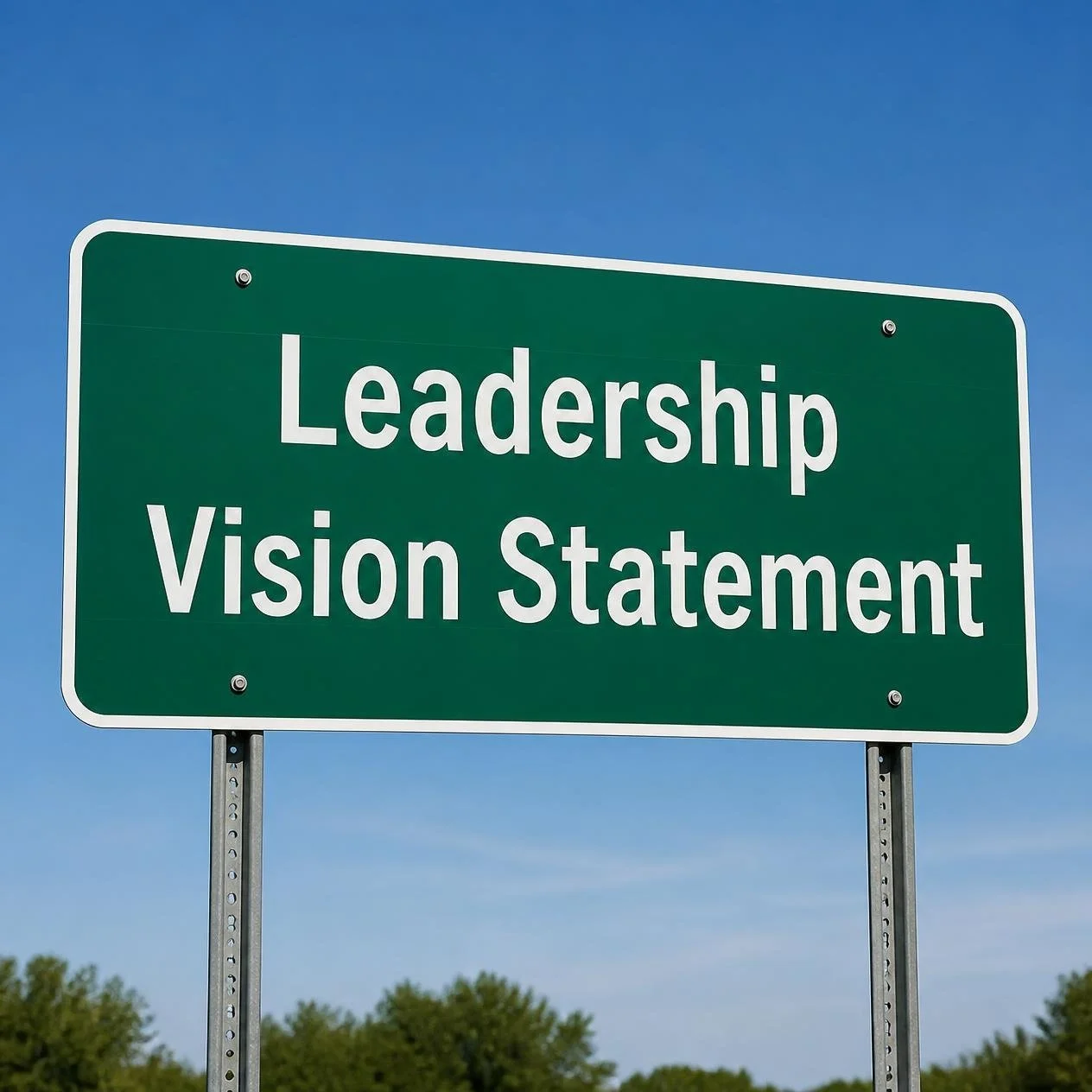
In our Leadership Development series, participants are challenged to create their own Leadership Vision Statement. To help stimulate thoughts around this challenge, the question is asked, “How do you wish to be perceived or experienced by those individuals who look to you for leadership?” If you have not put pen to paper to create your own Personal Leadership Vision Statement, you just might want to give it a try!

Make it Personal
This exercise can help you be more intentional in your quest for effective leadership. Ask yourself, “How do you wish to be perceived by those you lead?”
As you create your personal leadership vision, below are quotes and best practices o stimulate your professional creativity. Grace Murray Hopper was a computer pioneer and naval officer. On leadership and action, she believed in mutual loyalty.
“Leadership is a two-way street, loyalty up and loyalty down.”
Another famous quote from Hopper,
“You manage things; you lead people”
which goes hand-in-hand with a quote from the scholar, consultant and author widely regarded as the father of leadership, Warren Bennis,
“Failing Organizations are usually over-managed and under-led.”
Respected leaders are those who keep their focus on their internal customers – those people who look to them for leadership. Excellence in internal customer service leads to excellence in external customer service. There are many ways to provide excellence in internal customer service. Listed below are a few best practices:
Servant Leadership: The leader’s role is to serve the team and remove obstacles so others can perform at their best.
Growth Mindset: People and processes can improve with effort, feedback, and learning from mistakes.
Accountability and Integrity: Actions align with stated values. Honesty and responsibility build trust.
Empathy and Inclusion: Diverse perspectives are valued, and listening to others strengthens decisions.
Vision and Clarity: A clear direction and purpose guide the team, priorities and daily work.
We encourage you to accept the challenge of drafting your own personal leadership vision statement. Start it – review it often – edit it – improve it – and use it as a tool to help you be more intentional in your leadership journey. Even if you do not have anyone currently reporting directly to you, you are a leader.
After all -- you are responsible for leading a very complex individual: Yourself!
Are you—or someone on your team—hungry for more?
Continue investing in leadership growth with LD1.0™. Watch for our Fall 2026 session dates, coming soon!
For more information or to be added to our interest list, email Info@TheQualityCoach.com. We look forward to helping you grow, transform, and succeed.